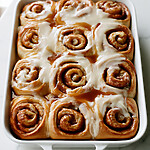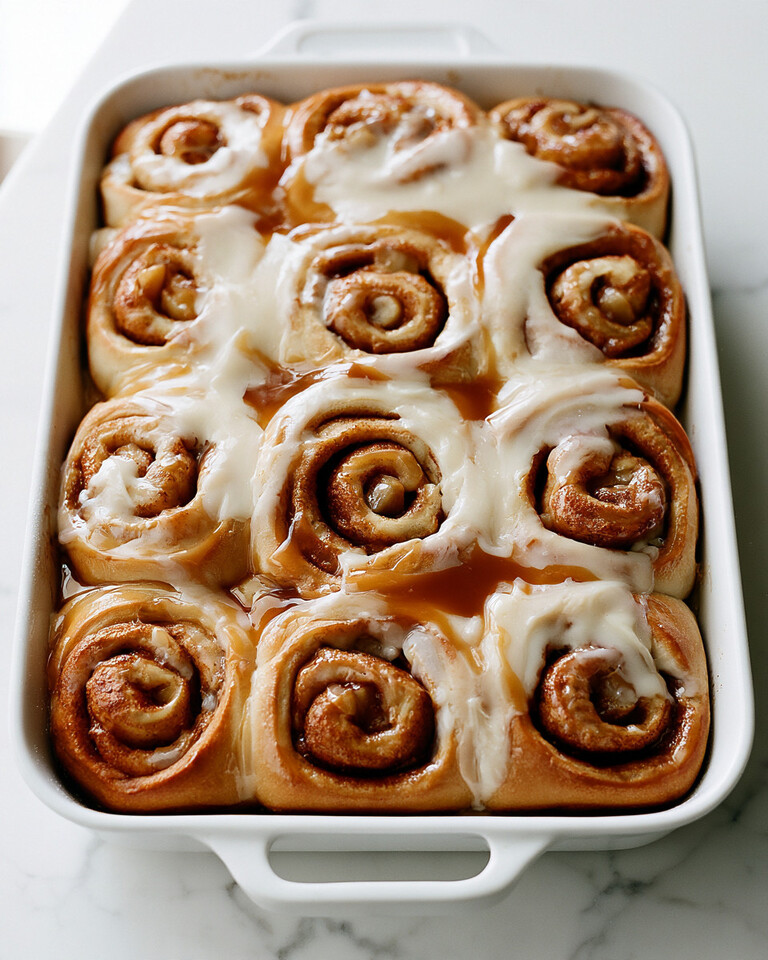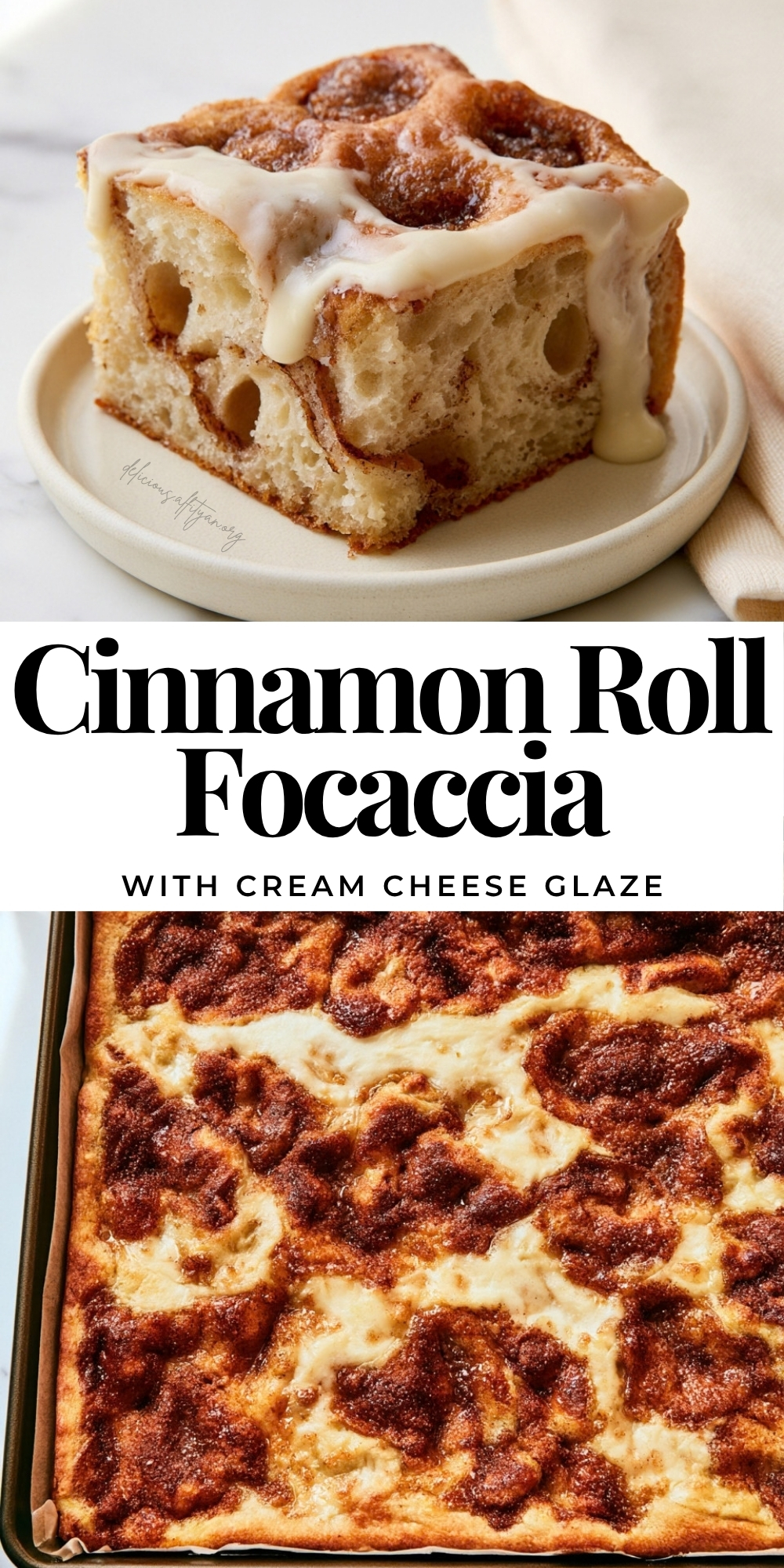
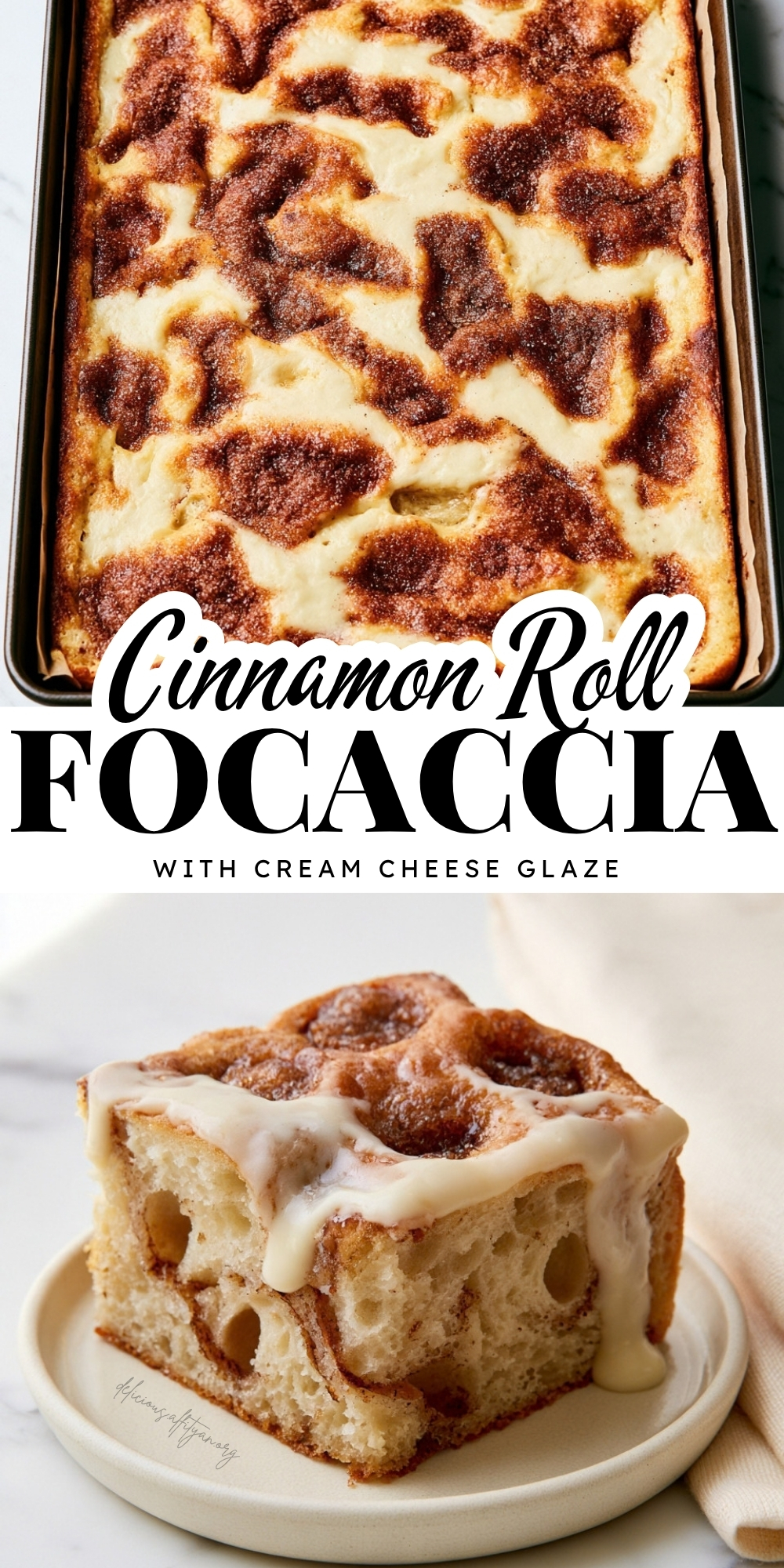
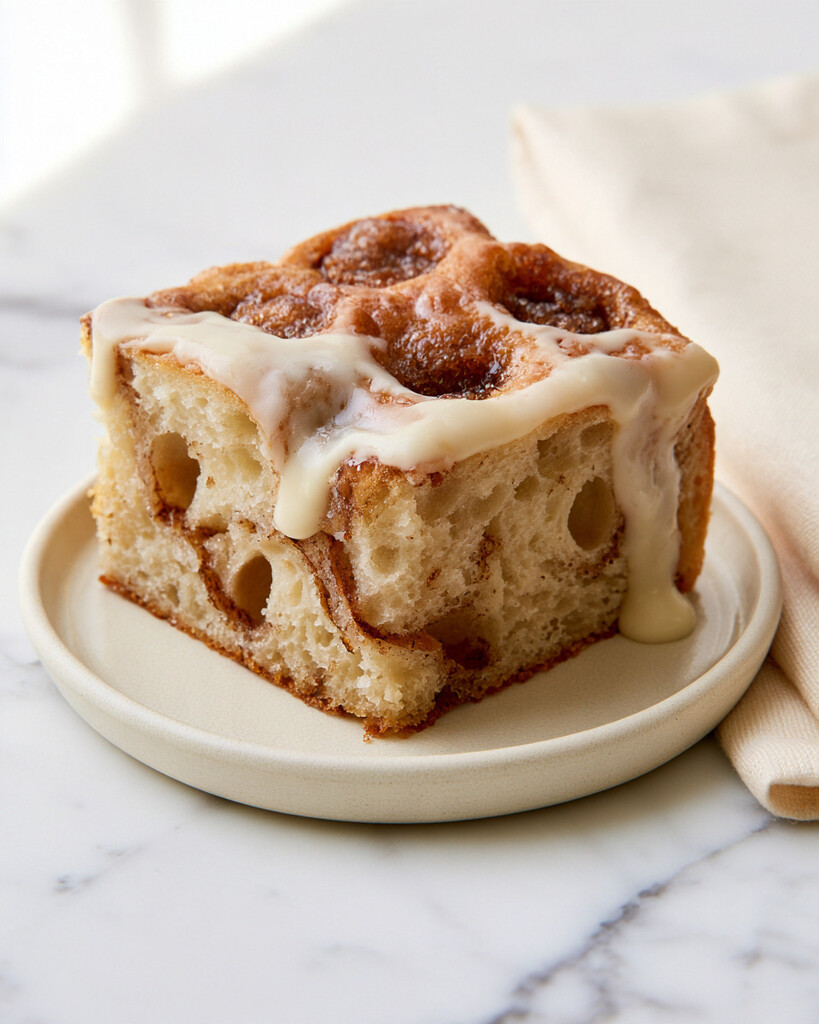
Cream cheese glazed cinnamon roll focaccia delivers the gooey comfort of traditional breakfast buns without the rolling or slicing. I use a wet dough and a 9×13-inch pan so every square emerges with deep, syrup-filled pockets that crackle at the edges.
 This post may contain affiliate links.
The Mechanics of a Sweet Focaccia
Drop the oven temperature. Lowering the heat to 400°F is critical. It gives the thick dough enough time to bake completely through the center before the high-sugar topping burns.
Building the Focaccia Structure
Whisk the dry ingredients. Add the warm water and oil. Mix with your hands until no dry spots remain, then cover the bowl and rest the dough for 15 minutes.
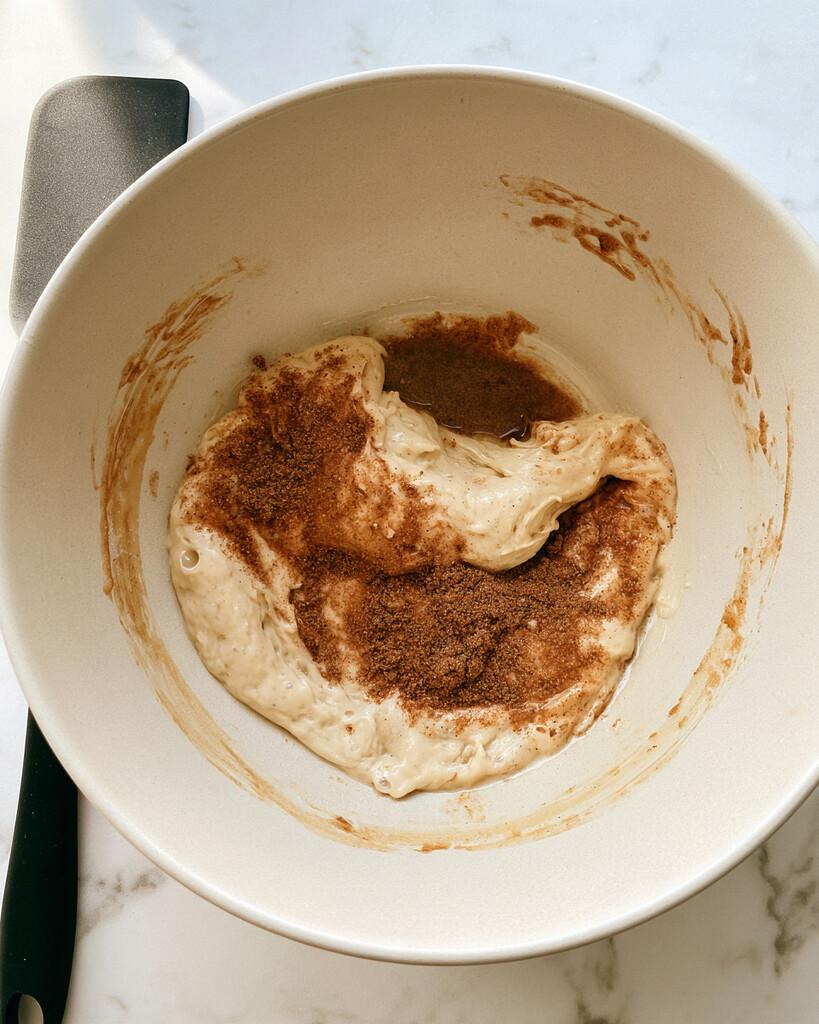
My early attempts resulted in a muddy dough. The fix is layering. Sprinkle the internal cinnamon swirl over the dough only during the second and third sets of folds to create distinct ribbons of spice.
Let the dough rise for an hour until visibly bubbly. Transfer it to a parchment-lined 9×13-inch metal baking pan, but do not stretch it yet. The gluten needs another 90 to 120 minutes to relax and fill the pan with large air bubbles.
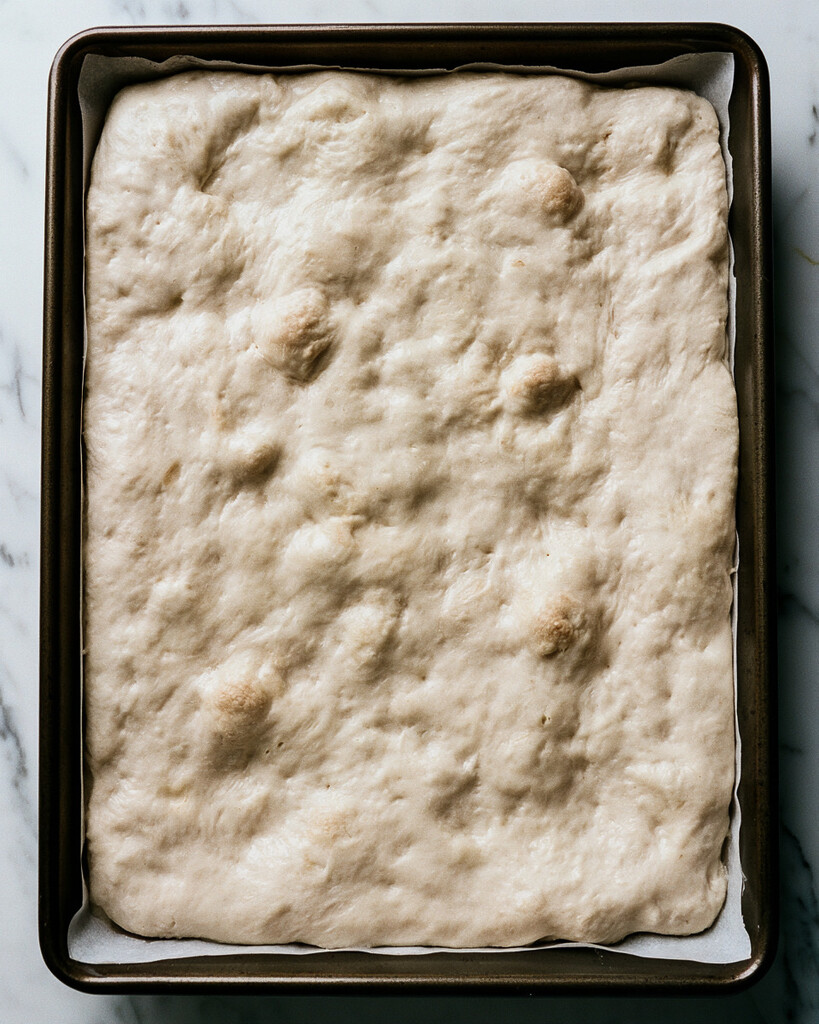
Dollop the wet topping evenly. Oil your fingers lightly. Press firmly down into the dough, pushing all the way to the bottom of the pan to trap the sugar in deep dimples.
Bake at 400°F. Watch the edges. The bread requires 25 to 28 minutes to caramelize deeply and pull away from the pan.
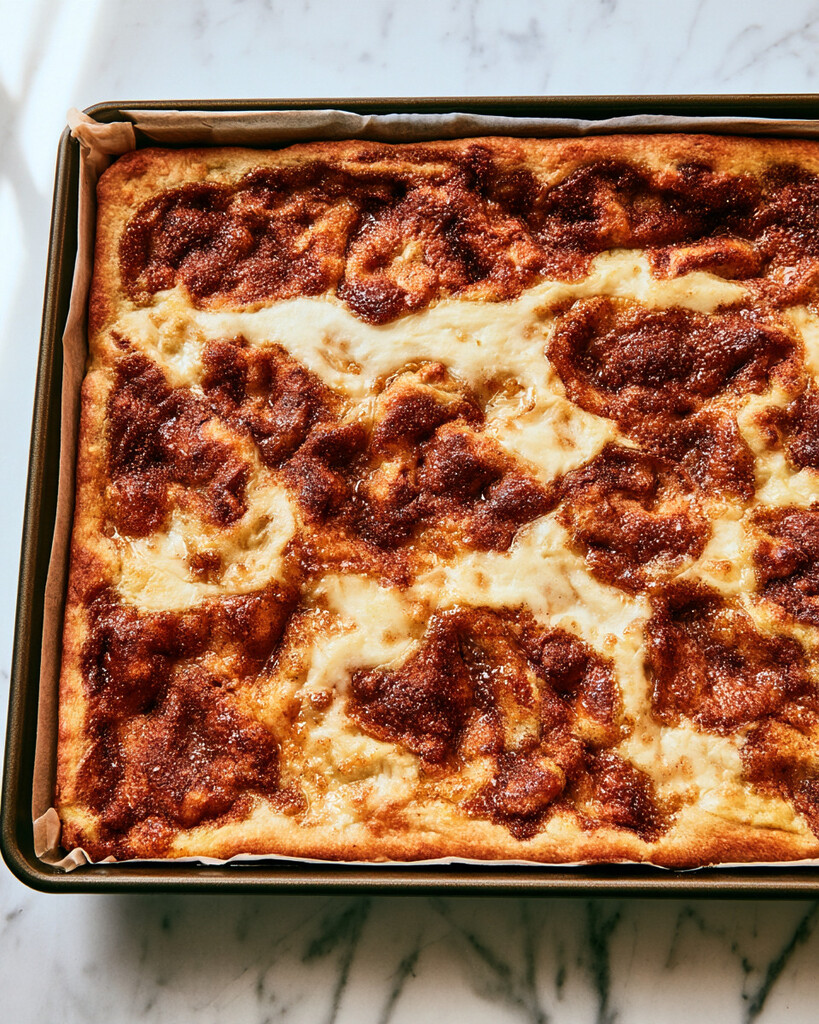
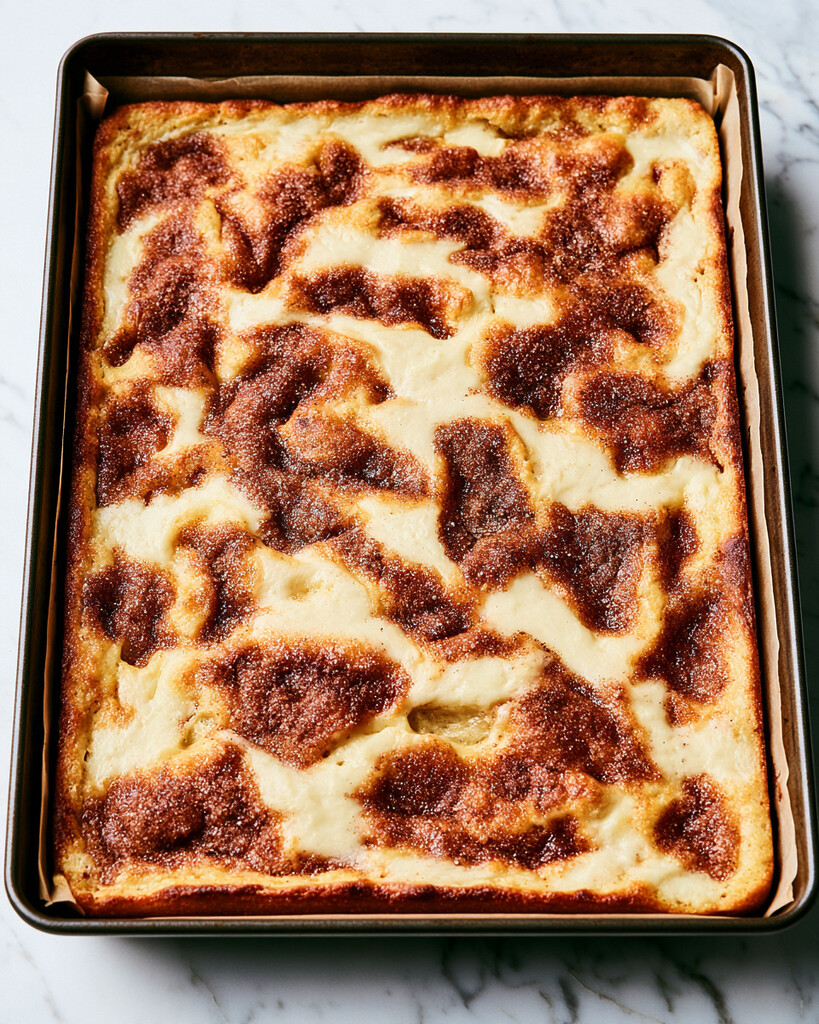
Pull the hot bread out. Cool it briefly. Whisk the softened cream cheese, powdered sugar, milk, and vanilla extract until completely smooth, then spread it over the warm surface.
Make-Ahead and Storage Options
- Overnight schedule: Complete the recipe through the folding stage. Tightly cover the bowl and refrigerate for 12 to 24 hours, then allow 2 to 3 hours for the pan rise.
- Room temperature: Keep leftover squares in an airtight container for up to two days.
- Reheating: Microwave a single square for 10 to 15 seconds to restore the gooey texture without drying out the crumb.
Cinnamon Roll Focaccia FAQs
Can I use a glass baking dish instead of metal?
Metal is strongly preferred because it conducts heat efficiently. A glass dish will likely require a longer baking time and will not brown the edges as effectively.
How do I know the center is fully baked?
The most reliable method is inserting an instant-read thermometer into the middle of the bread. It should register at least 200°F. If the center looks pale while the edges are dark, leave it in the oven for a few more minutes.
I prefer serving these squares immediately while the center is still steaming and the glaze melts into the pockets. A strong cup of black coffee is the only addition you need.
Print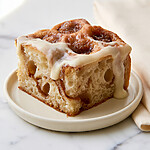
Cream Cheese Glazed Cinnamon Roll Focaccia
Cinnamon rolls and focaccia join forces in this sweet, bubbly hybrid. Instead of a basic sugar glaze, this version gets crowned with a thick cream cheese icing that melts right into the warm, buttery, cinnamon-sugar dimples. Baked in a 9×13-inch pan for the ultimate topping-to-bread ratio, it’s a highly forgiving, low-friction weekend baking project that delivers all the gooey comfort of a cinnamon roll without any of the rolling or slicing.
- Total Time4 hours 20 minutes
- Yield12 slices (serves 12) 1x
Ingredients
Focaccia Dough
- 4 cups (480g) all-purpose flour
- 2 teaspoons kosher salt
- 1 1/2 teaspoons instant yeast
- 1 3/4 cups (420ml) warm water (around 100°F)
- 2 tablespoons olive oil, divided (1 tablespoon for the dough, 1 tablespoon for the pan)
Internal Cinnamon Swirl
- 2 tablespoons dark brown sugar
- 1 teaspoon ground cinnamon
Gooey Topping
- 3/4 cup (159g) dark brown sugar, packed
- 1/3 cup (5 1/3 tablespoons, 75g) unsalted butter, melted
- 2 tablespoons ground cinnamon
- 1 tablespoon olive oil
Cream Cheese Glaze
- 4 ounces (113g) cream cheese, softened to room temperature
- 1 1/4 cups (150g) powdered sugar
- 2 tablespoons milk or heavy cream
- 1 teaspoon vanilla extract
Instructions
- Mix the dough: In a large mixing bowl, whisk together the flour, kosher salt, and instant yeast. Pour in the warm water and 1 tablespoon of olive oil. Using a sturdy spatula or your hands, mix until completely combined into a wet, shaggy dough with no dry spots of flour remaining. Cover the bowl and let rest at room temperature for 15 minutes.
- Prep the swirl: While the dough rests, stir together the 2 tablespoons of dark brown sugar and 1 teaspoon of cinnamon in a small ramekin. Set aside.
- Fold and swirl (4 sets total): Uncover the dough. Wet your hand, grab one side of the dough, pull it up, and fold it over the center. Rotate the bowl and repeat 4 to 5 times until the dough feels tight. Cover and rest 15 minutes. For the second set of folds, sprinkle half of your cinnamon-sugar swirl mixture over the dough before folding it in. Rest 15 minutes. For the third set of folds, sprinkle the remaining cinnamon-sugar mixture over the dough and fold. Rest 15 minutes. Perform one final set of folds without any sugar. The dough should now be smooth, elastic, and ribboned with cinnamon.
- First rise: Cover the bowl securely and let the dough rise in a warm spot until doubled in size and visibly bubbly, about 1 hour.
- Pan and second rise: Line a 9×13-inch metal baking pan with parchment paper, leaving an overhang on the long sides. Drizzle the remaining 1 tablespoon of olive oil over the parchment and spread it evenly. Gently tip the risen dough into the pan. Do not stretch it yet. Cover and let it proof until it spreads to the edges of the pan, fills with large air bubbles, and jiggles when you shake the pan, about 1 1/2 to 2 hours.
- Preheat and prep the topping: During the last 30 minutes of the rise, preheat your oven to 400°F. In a small bowl, mix the 3/4 cup dark brown sugar, melted butter, and 2 tablespoons cinnamon until it forms a thick, wet sand consistency.
- Top and dimple: Once the dough is fully proofed, dollop the brown sugar mixture evenly across the surface. Lightly oil your fingers and press firmly down into the dough, pushing all the way to the bottom of the pan to create deep dimples. Ensure the sugar mixture gets pushed down into those pockets. Drizzle the top evenly with the 1 tablespoon of olive oil.
- Bake: Bake on the middle rack for 25 to 28 minutes, or until the edges are deeply caramelized and pulling away from the pan. The sugar topping will be actively bubbling. If the center looks pale, give it a few more minutes; a thermometer inserted into the bread should read at least 200°F.
- Cool slightly: Use the parchment overhang to carefully lift the hot focaccia out of the pan and onto a wire cooling rack. Let it cool for at least 15 minutes.
- Glaze and serve: While the focaccia cools, vigorously whisk the softened cream cheese, powdered sugar, milk, and vanilla extract until completely smooth. Drizzle or spread the icing generously over the warm focaccia. Slice into squares and serve warm.
Notes
- Why it works: Lowering the oven temperature to 400°F (compared to traditional 450°F focaccia recipes) is crucial here. It gives the thick, wet dough enough time to bake completely through the center before the high-sugar topping burns.
- Make-ahead overnight schedule: To bake this fresh in the morning, complete the recipe through step 3 (the folding stage). Tightly cover the bowl and refrigerate for 12 to 24 hours. The next day, transfer the cold dough to your prepared pan and allow 2 to 3 hours for the second rise before dimpling and baking.
Nutrition (per serving — estimates)
Calories: 360 | Total Carbs: 58g (Fiber: 1g, Sugar: 28g) | Fat: 12g (Saturated: 6g) | Protein: 5g
Nutritional values are approximate, based on standard reference data (USDA FoodData Central). Actual values vary by brand and exact measurements. For precision, use a tracker like MyFitnessPal or Cronometer.
- Prep Time: 25 minutes
- Resting Time: 3 hours 30 minutes
- Cook Time: 25 minutes
- Category: Breakfast
- Method: Baked
- Cuisine: American
Nutrition
- Serving Size: 1 slice
- Calories: 360
- Sugar: 28g
- Fat: 12g
- Saturated Fat: 6g
- Carbohydrates: 58g
- Fiber: 1g
- Protein: 5g